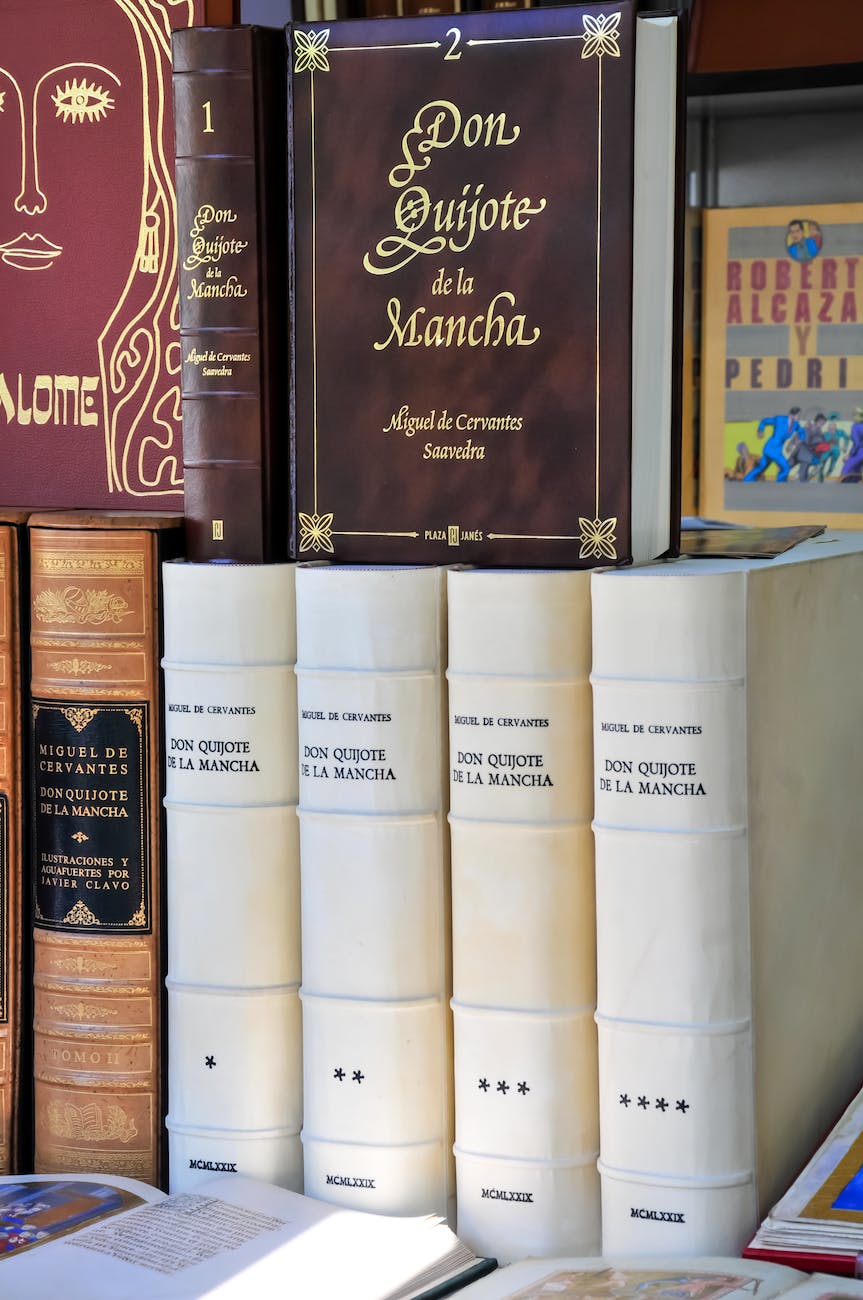


Introduction:
In the vast realm of literary history, few figures have left an indelible mark as profound as Miguel de Cervantes, the Spanish author best known for his masterpiece, “Don Quixote.” Born in 1547 in Alcalá de Henares, Spain, Cervantes navigated a turbulent life that led him to become one of the most influential writers in the world. Through his innovative storytelling, complex characters, and themes that transcended time and culture, Cervantes transformed the landscape of literature and laid the foundation for its evolution. In this blog, we will explore the life and works of Miguel de Cervantes, analyzing the profound impact he had on the development of literature.
- The Life and Struggles of Cervantes:
Cervantes’ life was marked by hardships and adventures that shaped his perspective and writing. He experienced military service, captivity as a slave, and financial struggles, which endowed him with a unique understanding of the human condition. These experiences lent depth and authenticity to his literary characters, portraying the complexities of human nature like never before.
- “Don Quixote”: A Game-Changer in Literature:
“Don Quixote,” published in two parts in 1605 and 1615, is Cervantes’ magnum opus and a defining work in the history of literature. The novel ingeniously parodies chivalric romances while exploring themes of reality versus imagination, sanity versus madness, and the power of storytelling. Cervantes’ use of metafiction, wherein the characters are aware of being in a story, was revolutionary for its time and laid the groundwork for modern literary techniques.
- Multidimensional Characters:
One of Cervantes’ most significant contributions to literature was his ability to create multidimensional characters. Don Quixote, a deluded but noble knight, and his loyal squire, Sancho Panza, were not merely fictional personas but archetypes that embodied various aspects of human nature. Cervantes’ characterization influenced future authors to delve deeper into their protagonists’ psyches, making literature more realistic and relatable.
- Exploration of Social Issues:
Beyond its comedic elements, “Don Quixote” served as a medium for Cervantes to comment on the social and political issues of his time. The novel questioned the rigid social structure, mocked the wealthy elite, and highlighted the disparities between different classes. This social criticism demonstrated the potential of literature to be an agent of change and sparked the rise of social commentary within literary works.
- Influence on the Birth of the Modern Novel:
Cervantes’ groundbreaking approach to storytelling in “Don Quixote” paved the way for the development of the modern novel. The blending of genres, self-reflexivity, and the focus on character development became essential elements of the evolving literary form. Countless authors, including Daniel Defoe, Henry Fielding, and Laurence Sterne, drew inspiration from Cervantes’ innovations and further pushed the boundaries of what novels could achieve.
- Global Impact and Legacy:
The influence of Cervantes’ works transcended borders and languages, reaching far beyond the Spanish-speaking world. Translations of “Don Quixote” spread throughout Europe, and their impact on English literature, in particular, was substantial. Notably, Shakespeare’s plays and Cervantes’ works were published in the same era, illustrating the profound impact these two literary giants had on the evolution of their respective languages.
Conclusion:
Miguel de Cervantes stands as a towering figure in the annals of literature. His life experiences, innovative storytelling, multidimensional characters, exploration of social issues, and role in shaping the modern novel have left an enduring legacy that continues to influence writers and readers worldwide. Cervantes’ impact on literature’s evolution cannot be overstated, and his legacy serves as a testament to the transformative power of storytelling and the enduring relevance of his works. As long as literature continues to evolve, the genius of Miguel de Cervantes will be celebrated and revered.
The enduring legacy of Miguel de Cervantes can be seen not only in the countless literary works that have been inspired by “Don Quixote” and his other writings but also in the cultural impact he has had on societies around the world. His ability to capture the essence of the human experience, with all its flaws and aspirations, has resonated with readers of all backgrounds and generations.
Cervantes’ impact on literature’s evolution was not limited to his time but has continued to shape the course of literary history for centuries. As the novel emerged as a dominant literary form, authors followed in his footsteps, experimenting with narrative techniques and delving into the complexities of human psychology. Cervantes’ influence can be seen in the works of renowned writers like Charles Dickens, Leo Tolstoy, and Fyodor Dostoevsky, who expanded upon his ideas and further pushed the boundaries of storytelling.
Moreover, the themes explored in “Don Quixote,” such as the nature of reality, the power of imagination, and the complexities of human identity, remain as relevant today as they were during Cervantes’ time. His ability to tackle profound philosophical questions while entertaining readers with humour and wit has left an enduring impact on the literary landscape.
Beyond literature, Cervantes’ legacy has also left a lasting mark on various art forms, including theatre, visual arts, and film. Countless adaptations and reinterpretations of “Don Quixote” have been produced over the years, further cementing the novel’s status as a timeless classic.
In his lifetime, Cervantes may not have achieved the level of recognition and financial success he desired, but his influence far exceeded his own expectations. Today, he is celebrated as a literary pioneer and a master storyteller, with his name forever enshrined in the pantheon of literary greats.
As we reflect on the impact of Miguel de Cervantes on literature’s evolution, we must also recognize the enduring power of storytelling itself. Through his works, Cervantes reminded us of the potency of fiction to illuminate truths about the human experience, challenge societal norms, and transcend the boundaries of time and culture.
In conclusion, Miguel de Cervantes’ literary genius and his revolutionary work, “Don Quixote,” have left an indelible mark on the evolution of literature. His ability to craft complex characters, explore timeless themes, and push the boundaries of narrative structure has inspired generations of writers and continues to captivate readers worldwide. As long as literature continues to evolve and captivate the human imagination, the legacy of Miguel de Cervantes will endure as a beacon of literary brilliance and creativity.
 ALPHA'S SPACE